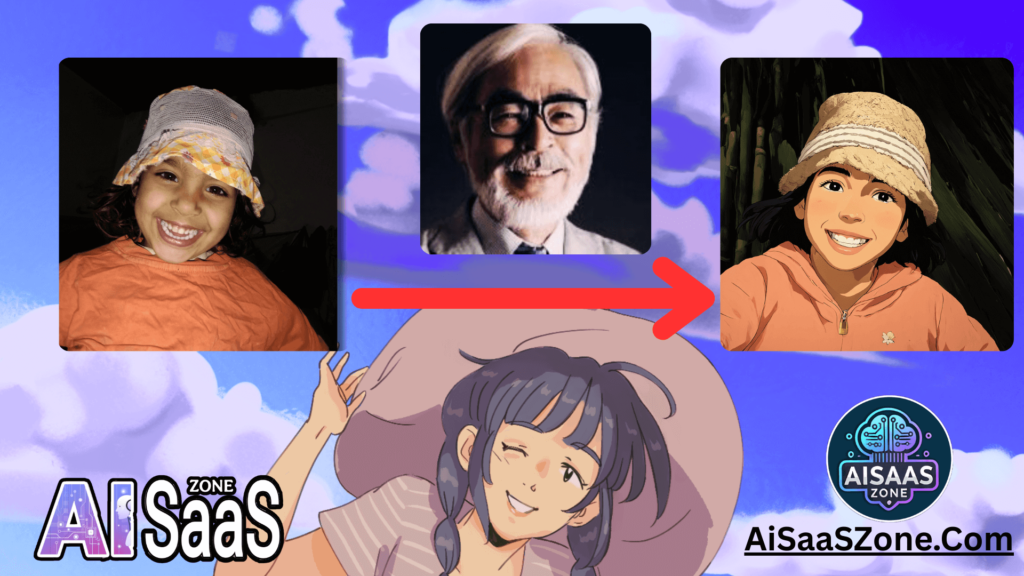
Ghibli Art (the signature animation style of Studio Ghibli) is renowned for its hand-drawn beauty and emotional storytelling. However, recent advancements in AI technology have started to influence this iconic style, raising debates on its impact on traditional animation.
The Evolution of AI-Generated Ghibli Art
AI-powered tools, such as ChatGPT and AI image generators, are now capable of replicating the Ghibli aesthetic. These tools analyze existing artworks and produce AI-generated versions that mimic the style. While this can help streamline animation production, it also brings challenges like loss of human touch, authenticity and ethical concerns:
Loss of Human Touch: AI-generated Ghibli-style art often lacks the personal nuances that come from human artists.
Speed vs. Authenticity: AI can create Ghibli-like images in seconds, but they may miss the emotional depth and storytelling elements of hand-drawn animation.
Ethical Concerns: The use of AI to replicate Ghibli’s art raises questions about copyright, originality, and artistic integrity.
Latest Updates on AI and Ghibli Art
Recent developments in artificial intelligence have enabled the creation of images emulating the distinctive style of Studio Ghibli, the renowned Japanese animation studio. This trend has sparked both enthusiasm and controversy within the artistic and broader communities.
OpenAI’s Latest Model for Ghiblify
OpenAI’s latest model, GPT-4o, introduced on March 25, 2025, includes a feature that allows users to generate high-quality images in the style of Studio Ghibli. This capability has led to a surge of “Ghiblified” images across social media platforms, with users transforming personal photos and various scenes into Ghibli-esque artworks. The trend gained momentum after Grant Slatton, a software engineer from Seattle, shared AI-generated images of his family in Ghibli style, which rapidly gained popularity.
Public and Artistic Community Reactions
The proliferation of AI-generated Ghibli-style art has elicited mixed reactions. While many users appreciate the ability to create and share personalized art in a beloved style, others, including prominent figures in the artistic community, have voiced concerns. Zelda Williams, daughter of the late Robin Williams, criticized the trend, highlighting potential environmental impacts and arguing that reliance on AI for artistic creation diminishes human effort and creativity. She echoed sentiments previously expressed by Studio Ghibli co-founder Hayao Miyazaki, who has condemned AI-generated animation as “an insult to life itself.”
Ethical and Legal Implications
The use of AI to replicate specific artistic styles raises significant ethical and legal questions. Critics argue that training AI models on existing artworks without consent constitutes intellectual property infringement and poses a threat to the livelihoods of artists. In response to the controversy, OpenAI has implemented measures to block certain requests for Ghibli-style content to avoid mimicking specific living artists, while still allowing broader studio styles.
Studio Ghibli’s Stance on AI
Studio Ghibli has historically maintained a critical stance toward the use of AI in art. Hayao Miyazaki‘s disapproval of AI-generated animation has been well-documented, reflecting the studio’s commitment to traditional, human-driven artistry. This perspective underscores the tension between technological innovation and the preservation of human creativity in the arts.
Normal Art vs Ghibli Art vs AI-Powered Ghibli Art
| Feature | Normal Art | Ghibli Art | Ai Powerd Ghibli Art |
| Creation Process | Hand-drawn, Digital tools or Painting | Hand-drawn, frame-by-frame animation | AI-generated using models trained on existing art |
| Style | Varies widely, depending on the artist | Unique, painterly style with soft colors and deep emotions | Mimics Ghibli’s style but may lack finer human touch |
| Emotional Depth | Depends on the artist’s skill and vision | High emotional depth, storytelling-driven | Sometimes lacks true emotional connection |
| Details & Textures | May be detailed or simplistic | Rich in hand-painted backgrounds, intricate lighting, and nature | AI-generated textures can resemble Ghibli but may miss artistic subtleties |
| Creativity | Fully driven by human imagination | Strongly tied to the Ghibli vision of fantasy and realism | Limited to learned patterns; lacks true originality |
| Human Touch | Present, with unique imperfections | Deeply personal, reflecting animators’ hard work | Often mechanical, lacking human imperfections |
| Storytelling | Varies based on artist’s intent | Emotionally driven, deep narratives | AI can imitate but struggles with true narrative depth |
| Ethical Concerns | No ethical issues if original work | No ethical concerns as it’s purely human-made | Raises copyright and originality issues when trained on existing works |
| Speed of Production | Time-consuming, depends on artist’s skill | Slow, meticulous hand-drawn process | Fast, generating images in seconds |
| Use in Media | Used in various industries, from comics to concept art | Primarily for animated films with a signature visual appeal | Used for quick concept art, fan creations, and AI-driven animations |
| Famous Works | Varies by artist and medium | My Neighbor Totoro, Spirited Away, Princess Mononoke | AI-generated versions of famous Ghibli scenes, unofficial and fan-made |
| Recognition & Value | Depends on the artist’s reputation | Globally recognized, highly valued in animation history | Questionable recognition, debated in artistic circles |
Origin of the Name “Ghibli”
The name “Ghibli” was inspired by the Italian word for a hot desert wind, reflecting the studio’s intent to bring a fresh breeze into the world of animation. The term was also used for a type of Italian reconnaissance plane in World War II, symbolizing exploration and innovation.
Brief History of Studio Ghibli
Studio Ghibli was founded in 1985 by Hayao Miyazaki, Isao Takahata, and producer Toshio Suzuki. The studio quickly gained a reputation for creating visually stunning and emotionally profound animated films that resonated with audiences worldwide. Ghibli’s works are known for their deep storytelling, environmental themes, and strong, well-developed characters.
Famous Studio Ghibli Films
My Neighbor Totoro (1988) – A heartwarming story about two sisters and their encounters with the mystical creature Totoro. Spirited Away (2001) – An Oscar-winning fantasy film about a girl trapped in a mysterious spirit world. Princess Mononoke (1997) – An epic tale about the conflict between humans and nature. Howl’s Moving Castle (2004) – A magical adventure featuring a cursed girl and a mysterious wizard. Grave of the Fireflies (1988) – A heartbreaking war drama about two siblings struggling to survive in wartime Japan.
Studio Ghibli’s impact on animation is unparalleled, and despite advancements in AI, its traditional hand-drawn artistry remains a gold standard in storytelling and visual excellence.
Frequently Asked Questions (FAQs)
What is Ghibli Art?
Ghibli Art refers to the signature animation style of Studio Ghibli, known for its hand-drawn beauty, emotional storytelling, and rich backgrounds.
How has AI influenced Ghibli Art?
AI can generate Ghibli-style images by analyzing existing artwork, raising concerns about authenticity, emotional depth, and ethical implications.
What are some challenges AI-generated Ghibli art faces?
The main challenges include loss of human touch, lack of storytelling depth, and ethical concerns about copyright and artistic originality.
What is the latest AI model for Ghibli-style images?
OpenAI’s GPT-4o, introduced on March 25, 2025, can generate high-quality Ghibli-style images.
Who is Grant Slatton, and what is his role in AI Ghibli art?
He is a software engineer from Seattle who gained popularity by sharing AI-generated Ghibli-style images of his family.
What was Zelda Williams’ opinion on AI-generated Ghibli art?
She criticized it for diminishing human creativity and raising environmental concerns, aligning with Studio Ghibli’s views.
What is Hayao Miyazaki’s stance on AI-generated animation?
He has condemned AI-generated animation as “an insult to life itself” and supports human-driven artistry.
How does AI-generated Ghibli art compare to traditional animation in terms of time?
AI can generate images in seconds, while traditional Ghibli animation takes months or years to complete.
Why do some people support AI-generated Ghibli-style art?
Many users appreciate its ability to create and share personalized art quickly and efficiently.
What ethical concerns does AI-generated Ghibli art raise?
Issues include copyright infringement, originality, and potential threats to artists’ livelihoods.
What steps has OpenAI taken to address ethical concerns?
OpenAI has implemented measures to block certain requests that mimic specific living artists.
How does AI-generated Ghibli art differ in emotional depth?
AI-generated art often lacks the subtle emotional nuances that human artists bring to their work.
Why is Studio Ghibli known for its unique animation style?
It is recognized for hand-drawn animation, rich storytelling, and visually stunning backgrounds.
What is the origin of the name “Ghibli”?
It comes from an Italian word for a hot desert wind and was also the name of an Italian reconnaissance plane.
Who founded Studio Ghibli?
It was founded in 1985 by Hayao Miyazaki, Isao Takahata, and Toshio Suzuki.
What are some famous Studio Ghibli films?
Some famous films include My Neighbor Totoro, Spirited Away, Princess Mononoke, and Howl’s Moving Castle.
What makes Ghibli Art different from normal animation?
It features highly detailed backgrounds, expressive characters, and deep emotional storytelling.
How does AI-powered Ghibli art differ from traditional Ghibli art?
AI-powered Ghibli art lacks imperfections, spontaneity, and emotional depth, which are hallmarks of traditional hand-drawn animation.
Why is AI-assisted storyboarding becoming popular?
Some studios use AI to create early-stage concept art, although Studio Ghibli remains committed to traditional methods.
Could AI eventually replace traditional Ghibli-style animation?
While AI may assist in animation, Studio Ghibli and many artists emphasize the irreplaceable role of human creativity.
More Questions? Contact us


One Comment